
What Machines Are Meat & Sausage Manufacturing Needed?
Sausage production has evolved into a global craft, blending tradition with modern technology. You can now rely on a customised production line to create fresh sausage products efficiently. These lines use professional-grade machines made from stainless steel, ensuring hygiene and easy cleaning. Stainless steel also resists corrosion, reducing contamination risks during sausage making. Sausage products are incredibly versatile, offering endless culinary possibilities like grilling, frying, or steaming. With global revenue expected to reach $116.50 billion by 2025, sausage production continues to grow, meeting the demand for high-quality, flavorful options worldwide.
A well-designed sausage processing line ensures consistent quality and maximizes efficiency.
Section 1: Classification by Meat Type
Sausages come in a variety of meat options, each offering unique flavors and textures. You can choose from the following types:
Beef, Veal, and Pork: These are the most common meats used in sausage production. Pork, in particular, is the most popular due to its rich flavor and ideal fat content.
Lamb and Mutton: Lamb adds a mild, earthy taste, while mutton has a stronger flavor. Mutton also binds well, making it a great addition in small amounts.
Poultry: Chicken and turkey sausages provide leaner options. They are perfect if you prefer a lighter taste or healthier choice.
Wild Game: Venison, duck, and even seafood sausages offer bold, distinctive flavors. These are ideal for adventurous palates.
The best cuts for sausage making often come from the shoulder, pork butts, beef chuck, or neck area. These cuts balance lean meat and fat, ensuring a juicy texture.
Section 2: Step-by-Step for Meat & Sausage Manufacturing
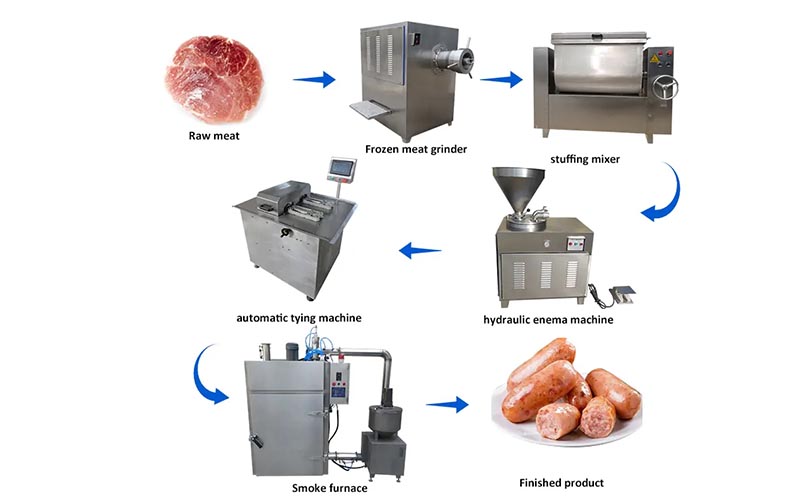
Ingredient Selection-Raw Meat
The foundation of high-quality sausage products lies in selecting fresh, premium meat. You should prioritize cuts with the right lean-to-fat ratio, as this balance ensures a juicy and flavorful texture. Pork shoulder, beef chuck, and poultry thighs are excellent choices. Fat content, typically around 20-30%, plays a crucial role in binding the ingredients and enhancing the overall taste.
Spices and seasonings are equally important in sausage making. They define the flavor profile and can vary based on regional preferences. Commonly used spices include:
Natural Spices: Whole or ground forms like black pepper, paprika, and nutmeg. These add depth and complexity.
Essential Oils and Oleoresins: Concentrated flavors that work well in industrial processing.
Soluble Spices: Ideal for cooked sausages, as they maintain vibrant colors.
Monosodium Glutamate (MSG): Enhances the natural meat flavor.
You can also incorporate non-meat ingredients like breadcrumbs, starches, or milk powder to improve texture and moisture retention. Proper blending of these ingredients ensures a consistent and delicious final product.
Industrial Meat Grinding Machine: MNS-JR100/ JR120/ JR130
Grinding is a critical step in sausage production. It reduces meat into uniform particles, creating the desired texture and flavor. Industrial grinders operate under high pressure, forcing meat through perforated plates. These plates come in various sizes, ranging from 4 mm to 16 mm, allowing you to customize the grind based on your recipe.
Here’s a quick overview of the technical specifications of industrial grinders:
Model | MNS-JR100 |
|---|---|
Production Capacity | 300-500 kg/h |
Power | 4 kW |
Weight | 210 kg |
Warranty | 12 months |
Voltage | 220/380 V |
Dimensions (L*W*H) | 800*600*1000 mm |
Material | SUS304 Stainless Steel |
Packing Way | Plywood Case |
To achieve optimal results, you should avoid running the grinder empty, as this can damage the knives and plates. For frozen meat, start with a coarse plate before switching to a finer one. This step ensures uniformity and prepares the meat for further processing.
Large Automatic Fresh Meat Bowl Chopper: MNS-ZB40/ ZB80/ZB125
After grinding, you can use a bowl chopper to refine the meat particles further. This machine cuts and emulsifies the meat, creating a smooth and delicate texture. The high-speed rotating blades ensure even processing, making it easier to blend the meat with spices and other ingredients.
The bowl chopper also enhances the binding properties of the meat, which is essential for forming cohesive sausage products. Its stainless steel construction ensures hygiene and durability, making it a reliable choice for any customised production line. By using this equipment, you can elevate the quality of your fresh sausage products and streamline your production processes.
Fresh Minced Meat Blending Mixing Machine
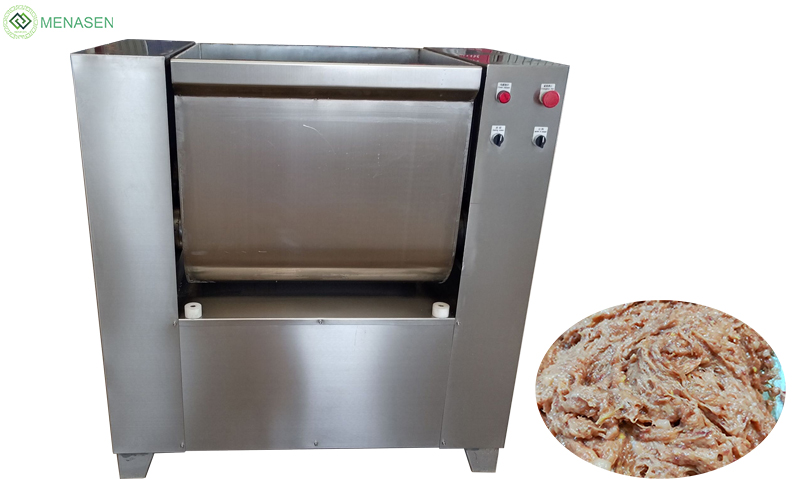
The blending process ensures that all ingredients are evenly distributed throughout the meat mixture. You can use a fresh minced meat blending mixing machine to achieve this. This equipment allows you to combine spices, seasonings, and salt with the ground meat, enhancing its flavor and texture. By thoroughly blending the mixture, you ensure that every bite of your sausage products delivers consistent taste and quality.
The machine operates with precision, ensuring uniformity in the mixture. Its stainless steel construction guarantees hygiene and durability, making it ideal for sausage production. You can adjust the blending time and speed to suit the specific requirements of your recipe. This flexibility allows you to create sausages with unique flavor profiles, tailored to your target market.
Sausage Stuffer
Stuffing is a critical step in sausage making. You can use a vacuum stuffing and filling machine to fill casings or prepare bulk packaging. This machine removes air from the mixture during the stuffing process, ensuring a smooth and uniform texture. It also prevents air bubbles, which can compromise the quality of the final product.
Different types of stuffing machines cater to various needs:
Hydraulic stuffing machines: These produce higher pressure, making them ideal for dense stuffing. This results in improved yield and quality.
Vacuum stuffing machines: These are energy-efficient and safe. Twin-piston vacuum systems remove maximum air, improving product density by 3-5%.
Hydraulic machines work well for small and medium processing plants, while vacuum systems are better suited for large-scale sausage production.
Sausage Smoking Machine
Smoking adds flavor, color, and preservation to sausages. You can use an industrial smoking machine to process sausage products, ham, poultry, and more. This machine combines traditional smoking techniques with modern technology, ensuring consistent results. It allows you to cook, dry, and color sausages in one step.
The smoking process enhances the appearance and taste of the sausages. The food develops a rich color and a smoky aroma that appeals to consumers. Modern smoking machines also support environmental protection by replacing traditional methods that produce excessive smoke. With user-friendly controls, you can easily adjust the settings to achieve the desired flavor and texture.
Tip: Proper smoking not only improves taste but also extends the shelf life of your sausage products.
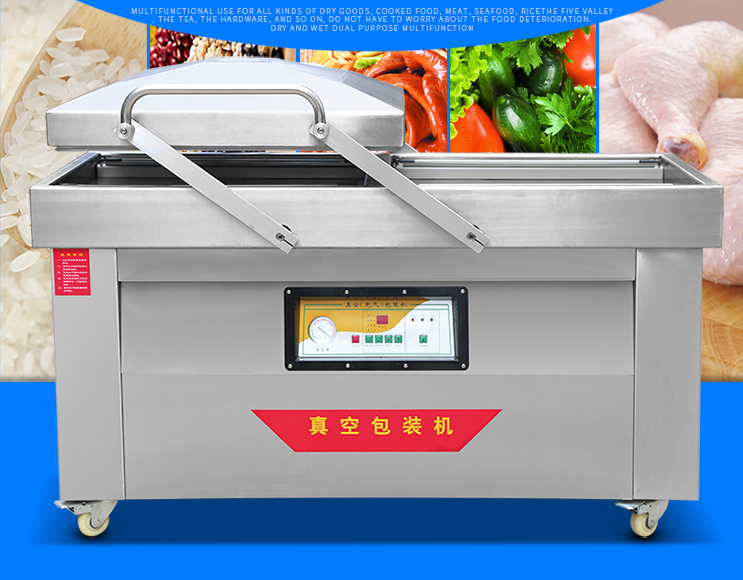
Vacuum Packaging
Proper packaging is the final step in sausage processing. It ensures your products remain fresh, safe, and visually appealing. Vacuum-packing and tray-packing are two popular methods that maintain hygiene and extend shelf life. Vacuum packaging, in particular, offers several advantages:
It retards the growth of aerobic microorganisms, reducing spoilage.
It minimizes oxidative damage to proteins and lipids, preserving flavor and appearance.
It removes oxygen, which can extend shelf life up to five times longer than traditional methods.
By sealing sausages in a vacuum, you prevent contamination and maintain the integrity of your ingredients. This method also enhances the product's presentation, making it more attractive to consumers. Tray-packing, on the other hand, is ideal for retail displays. It allows customers to see the product while keeping it protected from external elements.
When you combine proper hygiene practices with advanced packaging techniques, you ensure your sausage products meet the highest standards of quality and safety.
Tunnel All metal detector (Optional)
A tunnel metal detector is an optional but valuable addition to your sausage processing line. It helps detect and remove metal contaminants, ensuring the safety and quality of your products. This equipment is especially useful if you want to meet stringent safety regulations or cater to cautious clients.
Here are some key features of tunnel metal detectors:
These detectors integrate seamlessly with conveyor systems, making them efficient for large-scale production. Mobile options also allow you to connect them to vacuum fillers, providing flexibility in your setup. While not mandatory, investing in a tunnel metal detector can enhance your processing line's reliability and reputation.
By incorporating this technology, you demonstrate a commitment to delivering safe, high-quality sausage products to your customers.
Section 3: Features of Sausage Manufacturing Automated Systems
Automated systems bring several benefits to sausage production. They improve accuracy, reduce manual labor, and enhance overall efficiency. For instance, fast weighing machines now come with conveyor systems, enabling large-scale production. These systems ensure maximum weight accuracy for each sausage, which minimizes waste and boosts profitability.
Economic benefits are another advantage. Automated systems help you lower operating costs and maintain profitability, even when raw material prices rise. They also address labor shortages by reducing the need for manual intervention. Additionally, advanced technologies provide operational data, helping you identify inefficiencies and optimize equipment use.
By adopting automation, you can scale up production, meet market demands, and maintain a competitive edge in the industry.
Section 4: Culinary Applications and Variations
Everyday Uses
Sausages play a vital role in everyday meals across the globe. Their versatility allows you to incorporate them into a variety of dishes. Here are some popular uses:
Bratwurst, a German favorite, is often grilled or pan-fried. It’s a staple at festivals and pairs well with mustard and sauerkraut.
Chorizo, known for its smoky and spicy flavor, enhances tacos, paellas, and breakfast scrambles.
Andouille, a smoky French sausage, is essential in Louisiana Creole dishes like gumbo and jambalaya.
You can also use sausages in sandwiches, hot dogs, casseroles, and stews. Many restaurants include them as key ingredients in signature dishes, showcasing their adaptability.
Tip: Adding sausages to soups or rice dishes can elevate the flavor while keeping the preparation simple.
Specialty Dishes
Sausages shine in specialty dishes that highlight their unique flavors. You’ll find them in sweet and savory recipes alike:
Andouille sausage pairs beautifully with gorditas and Sea Island red peas.
Khao Kan Jin features blood sausage wrapped in banana leaves, offering a rich and earthy taste.
Italian cuisine uses sausages in antipasti, pizzas, and ragu, adding depth to these classic dishes.
Bangers and mash, a British favorite, combines sausages with creamy mashed potatoes.
Sai ua, a grilled pork sausage from northern Thailand, bursts with aromatic spices.
Sweet sausages also appear in desserts, while sausage rolls remain a popular snack. Famous varieties like salami often feature in local dishes, promoting regional food culture.
Regional Adaptations
Sausages adapt to local tastes by incorporating unique ingredients and flavors. For example, spicy pork sausage pairs with rice cakes in Asian cuisine, while Argentinian steakhouses serve grilled chorizos alongside sweetbreads. German sausages come with diverse accompaniments, reflecting the country’s culinary heritage.
In fine dining, chefs create innovative dishes like house-made sausage over creamy polenta or duck fat hot dogs served Chicago style. These adaptations cater to different markets and celebrate the diversity of global cuisines.
Note: Regional specialties often use locally sourced ingredients, making each sausage variety a reflection of its origin.
Sausage-making equipment plays a vital role in ensuring efficiency and quality. You face challenges like rising raw material costs, labor shortages, and food safety risks. Advanced equipment and automation help overcome these by increasing throughput and maintaining consistency. Global trends show a shift toward eco-friendly solutions and digital transformation. Automation and AI improve operational efficiency, while sustainable materials meet consumer demands. Investing in modern sausage production equipment ensures you stay competitive and meet industry standards.
Section 5: FAQ
What is the ideal fat-to-lean ratio for sausage production?
A 70:30 lean-to-fat ratio works best for most sausages. This balance ensures a juicy texture and rich flavor. You can adjust the ratio based on the type of sausage you want to produce, such as leaner options for poultry sausages.
Can I use frozen meat for sausage making?
Yes, you can use frozen meat. Thaw it properly before grinding to maintain texture and flavor. For industrial production, start with a coarse grind and then refine it. This method ensures uniformity and prevents damage to the grinder.
How do I choose the right casing for sausages?
Natural casings, like hog or sheep intestines, provide a traditional texture. Collagen casings are uniform and easier to handle. Synthetic casings work well for industrial production. Choose based on your sausage type and production scale.
What spices are essential for sausage seasoning?
Common spices include black pepper, paprika, garlic, and nutmeg. You can also use regional spices like oregano for chorizo or fennel for Italian sausages. Experiment with blends to create unique flavors tailored to your market.
How can I extend the shelf life of sausages?
Vacuum packaging is the most effective method. It removes oxygen, slowing spoilage and preserving flavor. Smoking and curing also help extend shelf life. Store sausages in a cool, dry place or refrigerate them for longer freshness.
Tip: Always follow food safety guidelines to ensure quality and safety.