Choosing the right vegetable cutting machine transforms your kitchen experience. It’s not just about slicing vegetables; it’s about saving time and ensuring precision in every cut. The best vegetable choppers simplify ingredient prep, making cooking faster and more enjoyable. Whether you’re a home cook or run a commercial kitchen, the convenience of these machines is unmatched. From manual tools to advanced models like the MNS-801 and MNS-301, there’s something for everyone. These top picks cater to various needs, ensuring efficiency and consistency in vegetable prep for any dish.
Choosing the right vegetable cutting machine can significantly enhance your cooking experience by saving time and ensuring precision in food preparation.
For home cooks, the MNS-801 electric chopper is highly recommended for its versatility, allowing you to customize cut sizes for various vegetables.
Commercial kitchens benefit from high-capacity machines like the MNS-301, which can process up to 1000 KG/H, ensuring efficiency in busy environments.
When selecting a machine, consider factors such as capacity, ease of use, and maintenance requirements to find the best fit for your kitchen.
Look for machines with advanced features like adjustable cut sizes and easy cleaning options to maximize convenience and performance.
Manual choppers are ideal for smaller tasks and budgets, while electric and industrial machines are better suited for larger volumes and frequent use.
Investing in a high-quality vegetable cutting machine can lead to consistent results and a more enjoyable cooking experience.
When it comes to finding the right vegetable cutting machine, I know how overwhelming the options can feel. Let me walk you through some of the top picks that stand out for their performance, versatility, and ease of use. Whether you're looking for an electric chopper, a high-capacity vegetable processing machine, or an all-in-one solution, these machines deliver exceptional results.
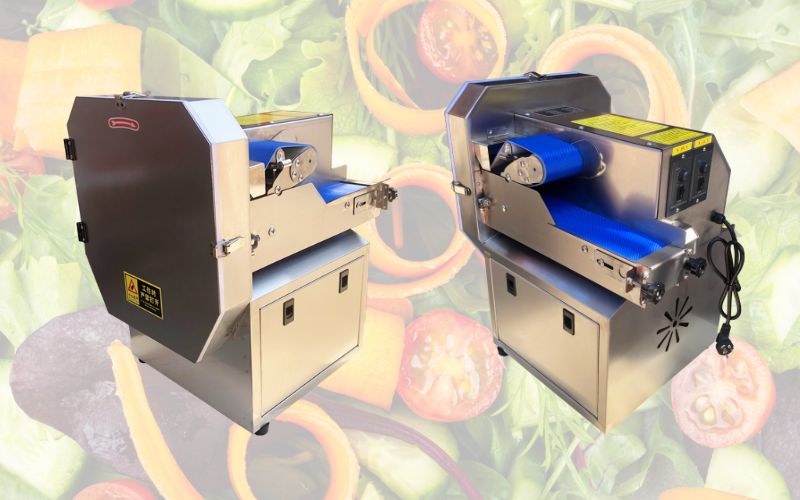
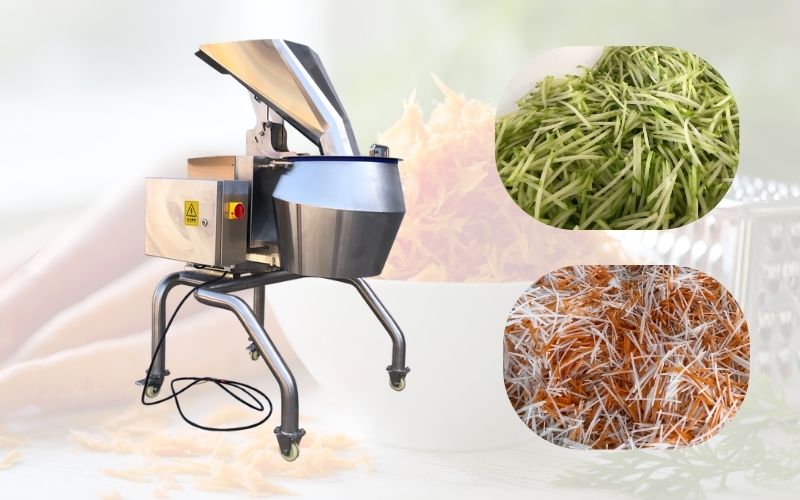
The MNS-801 is my go-to recommendation for anyone seeking the best overall electric vegetable chopper. This machine handles a variety of vegetables effortlessly. It slices, shreds, dices, and even cuts vegetables into cubes. You can customize the cut size to suit your needs. For example, it can create 2mm potato slices, 5mm carrot shreds, or 3mm cucumber slices.
What I love most about this electric chopper is its precision and flexibility. It’s perfect for home kitchens and small-scale food processors who want consistent results every time. The features make it a standout choice for those who value efficiency and customization.
If you’re running a commercial kitchen or a food processing plant, the MNS-301 is a game-changer. This vegetable processing machine boasts an impressive cutting capacity of 800-1000 KG/H. It’s designed to handle high volumes of vegetables without compromising on quality or speed.
I’ve seen how this machine transforms workflows in busy kitchens. It’s reliable, durable, and incredibly efficient. Whether you’re prepping vegetables for soups, salads, or large-scale catering, the MNS-301 ensures consistent cuts every time. It’s one of the best overall options for industrial use.
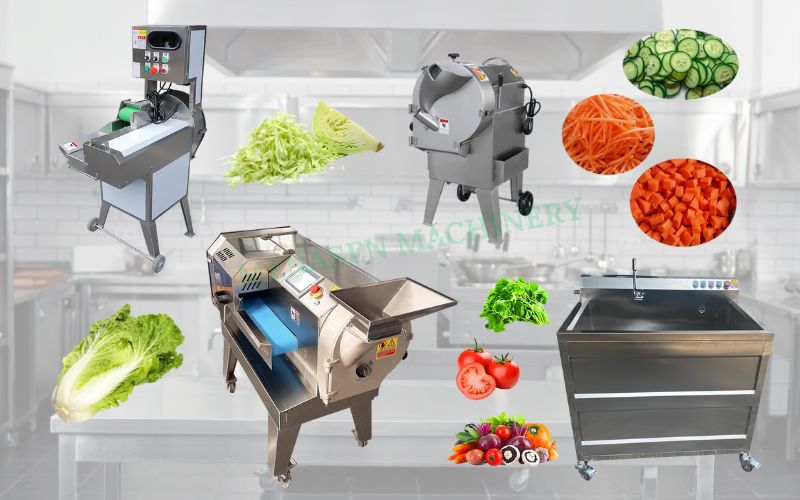
For those who need versatility, all-in-one machines are the way to go. These machines combine multiple functions into one compact design. The MNS-801 automatic leafy vegetable cutter and the MNS-305 celery cutting machine are excellent examples. They cater to the needs of large-scale vegetable processing plants, offering precision and efficiency.
If automation and advanced technology excite you, then the Advanced Multi-Function Vegetable Processor is worth exploring. This machine takes convenience to the next level. It’s ideal for food processors who want to streamline their operations while maintaining top-notch quality. With its cutting-edge design and user-friendly interface, it’s one of the best vegetable choppers for modern kitchens.
These types of vegetable processors cater to different needs, from home cooks to industrial kitchens. Each machine offers unique features that make food prep faster and easier. Whether you prefer manual choppers or advanced food processors, there’s a perfect fit for everyone.
Testing vegetable cutting machines wasn’t just about turning them on and seeing how they worked. I wanted to dig deeper and truly understand their performance, usability, and durability. Let me walk you through the process and criteria I used to evaluate these machines.
I started by testing how well each machine handled different vegetables. I used cucumbers, carrots, potatoes, and leafy greens to see if the machines could deliver consistent cuts. Adjusting the cut size was a key part of this test. For example, I checked if the machine could produce thin 2mm slices or thicker 5mm shreds without any issues. Machines that delivered precise and uniform results scored higher in this category.
Ease of use matters a lot, especially for busy kitchens. I paid close attention to how intuitive the controls were. Could someone unfamiliar with the machine figure it out quickly? I also observed how comfortable it felt to operate the machine for extended periods. If a machine felt awkward or tiring to use, I noted it and considered how it could be improved.
Cleaning is a big deal when it comes to food processors. I tested how easy it was to clean each machine after use. Machines made with stainless steel parts stood out because they required just a quick rinse with water. For components like blades and conveyor belts, I checked if they could be cleaned thoroughly without much effort. Machines that simplified cleaning earned extra points.
Durability is non-negotiable for me. I inspected the materials used in each machine, focusing on critical parts like the blades and motor. Stainless steel blades and waterproof motors impressed me the most. I also ran the machines for extended periods to see if they could handle heavy use without overheating or breaking down.
To ensure the machines performed well in real-life situations, I tested them in scenarios similar to what you’d encounter in a kitchen. For instance, I had some Indian customers share their experiences with our multi-functional vegetable cutters. They praised the cutting precision and capacity, saying the machines met their needs perfectly. Feedback like this helped me understand how these machines perform in diverse settings.
I also compared machines from various brands and categories. Standard machines consistently outperformed manual ones in speed and efficiency. For example, vegetable cutters from Taiwan stood out for their sleek design and sharp, durable blades. These comparisons helped me identify the best options across different types of vegetable processors.
By combining these tests and evaluations, I could confidently recommend machines that excel in performance, ease of use, and durability. Whether you’re looking for a simple chopper or an advanced food processor, these insights ensure you’ll find a machine that fits your needs.
When picking the right vegetable cutting machine, I always focus on a few key factors. These details can make or break your experience, whether you're using it at home or in a commercial kitchen. Let me break it down for you.
The first thing I look at is the machine's capacity. If you're working in a high-volume setting, a large capacity machine is essential. Most industrial vegetable cutters handle between 500 to 2000 KG/H, which is perfect for busy kitchens or food processing plants. The ability to adjust the cut size, ranging from 1mm to 60mm, adds flexibility. This feature ensures you can customize the machine to meet your specific needs, whether you're slicing potatoes or dicing carrots.
For MNS-20 smaller kitchens, I recommend manual choppers or compact food processors. They take up less space and are ideal for lighter workloads. However, if you need to process large quantities quickly, investing in a machine with a large capacity will save you time and effort.
Ease of use is non-negotiable for me. A vegetable cutting machine should simplify your work, not complicate it. Machines with straightforward controls, like button-operated systems, are my go-to choice. Many models now include emergency stop buttons, which enhance safety during operation. This feature is especially important in busy environments where accidents can happen.
Manual choppers, while simple, require more physical effort. They’re great for occasional use but might not be the best option for daily heavy-duty tasks. On the other hand, automatic machines combine ease of use with advanced safety features, making them a better choice for frequent use.
Cleaning a vegetable chopper should be quick and hassle-free. Machines made with stainless steel parts are my favorite because they’re easy to clean with just water. After finishing your work, a simple rinse is usually enough to keep the machine spotless. For components like blades and conveyor belts, I recommend weekly maintenance. Applying butter as a lubricant to the knife set can extend its lifespan and ensure smooth operation.
Manual choppers are easier to clean due to their smaller size and fewer parts. However, they lack the durability and efficiency of larger machines. If you’re using a high-capacity machine, regular maintenance becomes crucial. It not only keeps the machine running smoothly but also ensures consistent performance over time.
Choosing the right vegetable cutting machine depends on your specific needs. Whether you prefer manual choppers for their simplicity or advanced food processors for their efficiency, understanding these factors will help you make an informed decision. Always consider capacity, ease of use, and maintenance when selecting the perfect machine for your kitchen.
When I explore vegetable cutting machines, I always look for extra features that make them stand out. These additional attachments and functionalities can transform a basic machine into a powerhouse of efficiency and convenience. Let me share some of the standout features I’ve come across.
Some machines go beyond basic chopping and slicing. They offer advanced features like PLC touch screens for precise control and customization. These screens allow you to adjust settings with ease, making the machine more user-friendly. Machines with high-power motors handle tougher vegetables effortlessly, ensuring consistent performance even during heavy use.
For example, the Table Top Vegetable Cutting Machine is perfect for slicing both soft and hard vegetables. Its high-quality blades and convenient design make it a reliable choice for kitchens that demand speed and precision. These features are especially valuable for commercial kitchens or food processing plants where efficiency is key.
I’ve also noticed that some machines come with multiple blade options. This versatility lets you switch between slicing, dicing, and shredding without needing separate tools. It’s a game-changer for anyone who wants to save time and space in their kitchen.
Finding the right balance between cost and quality is crucial. I always recommend looking for machines that offer the best value without compromising on performance. Thanks to China’s mature supply chain, many vegetable cutters now come at a lower cost while maintaining high standards. This makes them an excellent choice for those seeking the best budget options.
Take the Menasen Veggie Cutter MNS-20, for instance. It’s not only affordable but also incredibly easy to use. Its attractive design and vibrant colors add a touch of style to your kitchen. Despite its low price, it delivers reliable performance, making it one of the best value picks for home cooks.
Manual choppers, like the Onion Vegetable Chopper, are another great option for budget-conscious buyers. They’re simple, effective, and easy to clean. While they require a bit more effort compared to automatic machines, their affordability and compact size make them ideal for smaller kitchens or occasional use.
For those who want a mix of affordability and functionality, manual choppers and compact food processors are excellent choices. They provide the ease of use you need without breaking the bank. Whether you’re a home cook or a small business owner, these machines ensure you get the most bang for your buck.
When comparing vegetable cutting machines, I always focus on the details that matter most. Let me break it down for you with a clear look at the key features and specifications, as well as the pros and cons of each machine.
Understanding the core features of each machine helps in making the right choice. Here’s what stands out:
Processing Ability: Machines like the MNS-301 excel in high-volume settings, handling up to 1000 KG/H. This makes them ideal for commercial kitchens or food processing plants. On the other hand, manual choppers are better suited for smaller tasks and home use.
Power: Electric models, such as the MNS-801, come with powerful motors that ensure consistent performance. These machines handle tougher vegetables with ease, unlike manual choppers that rely on physical effort.
Relay Brand: High-quality machines often use reliable relay brands, ensuring durability and smooth operation. This is especially important for industrial-grade food processors.
Cut Blade: The blade quality determines the precision of the cuts. Stainless steel blades, like those found in the MNS-801, offer sharpness and longevity. Some manual choppers, such as Fullstar's food chopper, include multiple blade options for versatile chopping.
These features highlight the strengths of each machine, helping you decide which one fits your needs best.
Every machine has its strengths and limitations. Here’s a closer look:
Pros:
Compact and easy to store.
Affordable and budget-friendly.
Simple to clean and maintain.
Cons:
Limited capacity, making them unsuitable for large-scale tasks.
Require physical effort, which can be tiring for frequent use.
For example, Fullstar's food chopper comes with four different blades, offering versatility for various chopping needs. However, it’s best for light workloads.
Pros:
High efficiency and speed, perfect for busy kitchens.
Adjustable settings for customized cuts.
Durable and built for heavy-duty use.
Cons:
Larger size requires more storage space.
Higher cost compared to manual choppers.
Machines like the MNS-801 stand out for their precision and flexibility. They handle a wide range of vegetables and offer customizable cut sizes, making them a favorite for both home cooks and small-scale food processors.
Pros:
Exceptional capacity, processing up to 1000 KG/H.
Designed for continuous use in commercial settings.
Advanced features like PLC touch screens for easy operation.
Cons:
Fixed processing range may not meet all customer requirements.
Cutting length adjustments can be limited.
The MNS-301 is a prime example of an industrial-grade machine. It’s perfect for high-volume tasks but may not cater to every specific need, especially when it comes to unique cutting lengths.
This comparison highlights the variety of options available, from manual choppers to advanced food processors. Each machine serves a specific purpose, so understanding their features and limitations ensures you pick the right one for your kitchen.
After exploring the top picks for vegetable cutting machines, I hope you’ve found the best overall options for your needs. Whether it’s the precision of manual choppers or the efficiency of advanced food choppers, there’s something for everyone. Always consider your kitchen space, budget, and how often you’ll use the machine. These factors ensure you get the most value. I encourage you to dive into these recommendations and choose the vegetable cutting machine that simplifies your prep work and enhances your cooking experience.
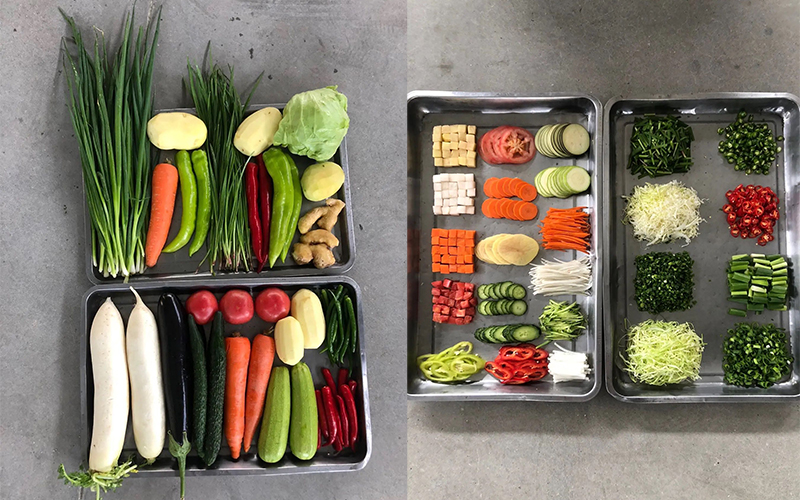
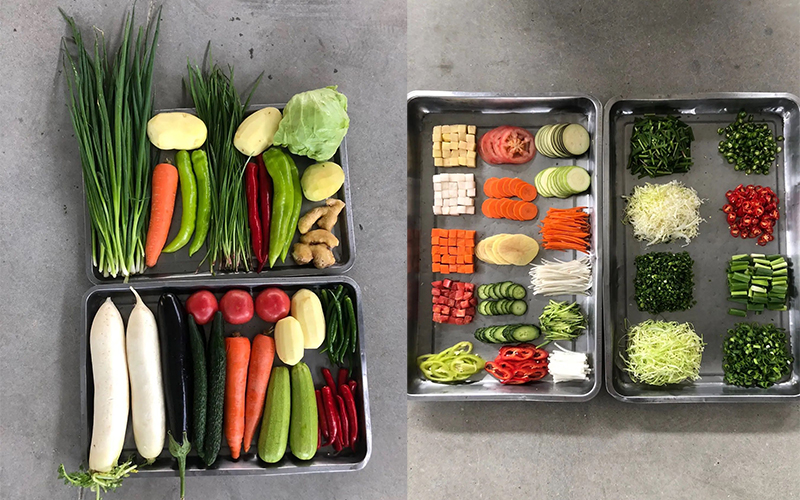
Our vegetable cutting machines handle a wide variety of vegetables with ease. From root vegetables like potatoes and carrots to leafy greens such as spinach and parsley, these machines deliver consistent results. Whether you need to slice cucumbers, dice tomatoes, or shred cabbage, the machines adapt to your needs. Their versatility makes them ideal for both home kitchens and commercial setups.
It depends on your needs. Manual choppers work well for small tasks and are perfect for kitchens with limited space. They’re affordable, easy to clean, and don’t require electricity. However, electric machines save time and effort, especially when processing large quantities. If you frequently prepare meals or run a busy kitchen, an electric food chopper might suit you better.
Cleaning is simple. Most machines use stainless steel parts, so rinsing with water is usually enough. For blades and conveyor belts, weekly maintenance ensures smooth operation. Applying a bit of butter as a lubricant to the knife set can extend its lifespan. Regular cleaning not only keeps the machine hygienic but also ensures consistent performance.
Yes, many vegetable cutting machines allow you to customize the cut size. For example, you can create thin 2mm slices or thicker 5mm shreds, depending on your recipe. This flexibility makes them suitable for various dishes, whether you’re preparing salads, soups, or stir-fries.
Manual choppers are best for light workloads. They’re compact and easy to use but lack the capacity needed for high-volume tasks. For commercial kitchens or food processing plants, electric or industrial-grade machines are more efficient. These machines handle larger quantities and offer advanced features like adjustable settings and high-power motors.
Modern vegetable cutting machines prioritize safety. Many models include emergency stop buttons and user-friendly controls. These features reduce the risk of accidents, especially in busy environments. Manual choppers, while simpler, require careful handling to avoid injuries during use.
Durability depends on the materials used. Machines with stainless steel blades and waterproof motors last longer and perform better under heavy use. Regular maintenance, like cleaning and lubricating the knife set, further enhances their lifespan. Investing in a high-quality machine ensures reliable performance for years.
Yes, many vegetable cutting machines also work well with fruits. You can slice apples, dice pineapples, or shred citrus peels effortlessly. However, it’s always a good idea to check the manufacturer’s guidelines to ensure compatibility with specific fruits.
Some machines come with advanced features like PLC touch screens for precise control. High-power motors handle tougher vegetables, while multiple blade options add versatility. These extras make food prep faster and more efficient, especially in commercial settings.
Start by considering your kitchen’s workload. For occasional use, manual choppers are a great choice. If you need to process large quantities quickly, go for an electric or industrial-grade machine. Think about factors like capacity, ease of use, and maintenance requirements. Balancing these aspects helps you find the perfect fit.