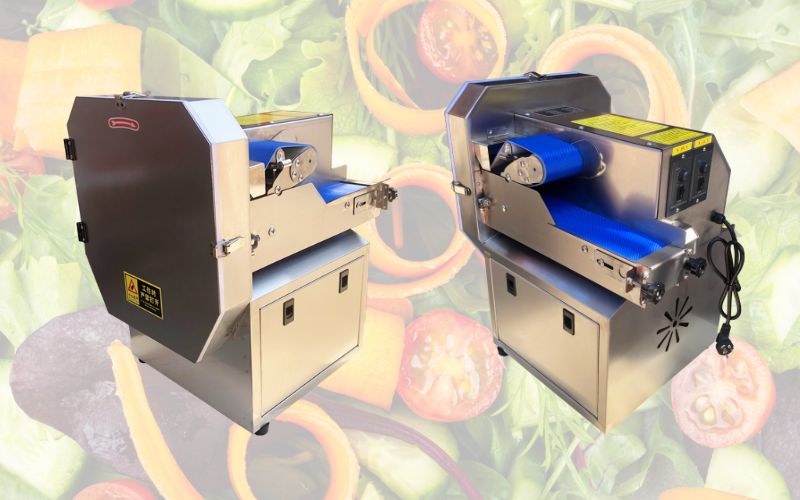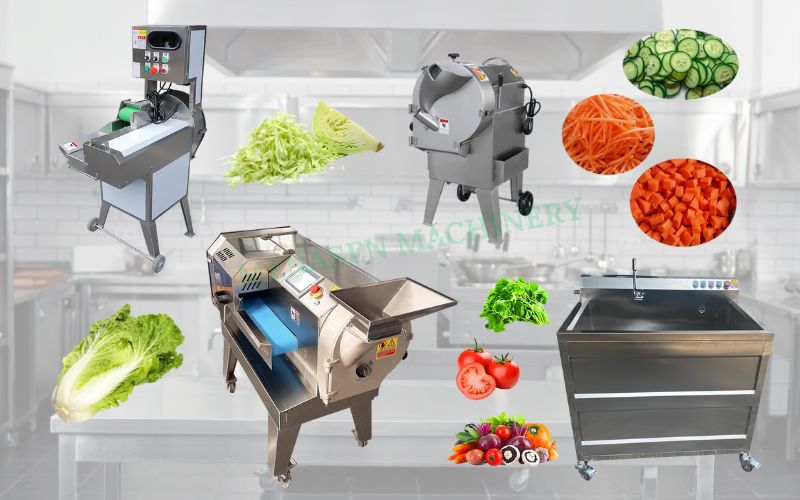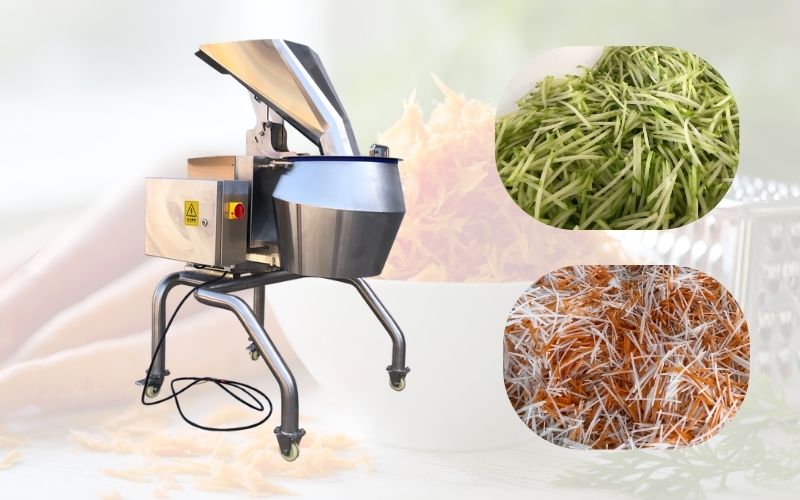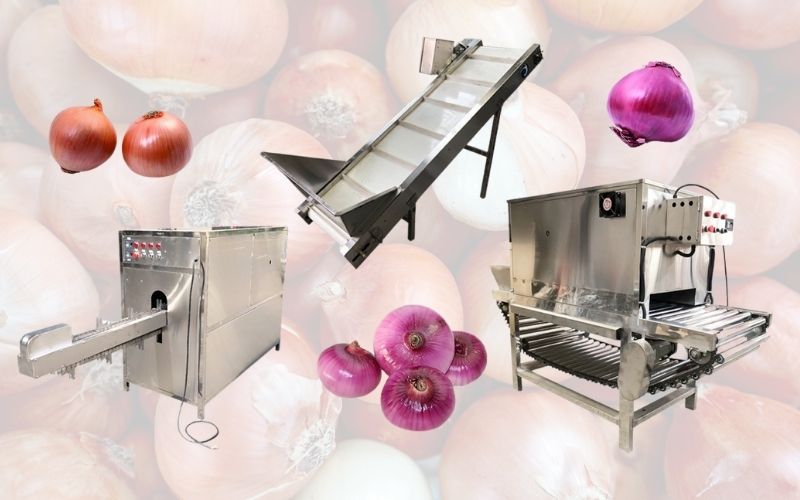
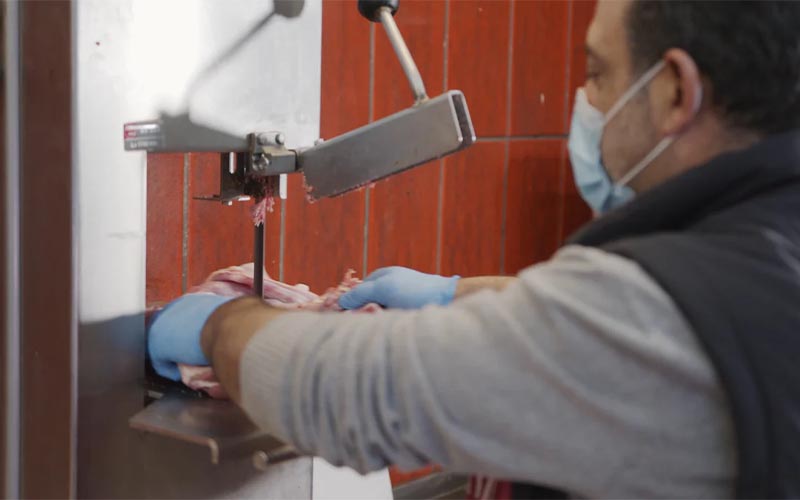
Choosing the right meat cutting machine is essential for achieving efficiency in your meat processing business. This best meat slicer not only streamlines production capacity but also enhances employee productivity. Advanced machines save hours of labor by cutting meat quickly and accurately, reducing waste and ensuring consistent results. Investing in high-quality equipment boosts your market supply and increases profitability. For more insights on selecting the best tools for your business, explore resources like the Menasen Website or informative videos on a YouTube Channel. These platforms provide valuable guidance to help you make informed decisions.
Identify your target market's meat preferences to align your production strategy with demand, whether it's sliced, shredded, or diced meat.
Evaluate the key features of meat cutting machines, focusing on food safety materials like SUS304 or SUS316 stainless steel to ensure hygiene and durability.
Consider the balance between machine functionality and cost; prioritize cutting efficiency and ease of operation to maximize your investment.
Incorporate safety features such as emergency stop buttons and blade guards to protect operators and comply with safety standards.
Regular maintenance, including cleaning and blade sharpening, is crucial for extending the lifespan of your meat cutting machine and ensuring optimal performance.
Avoid common pitfalls by focusing on quality over price and ensuring effective communication with sellers to facilitate smooth transactions.
Research and understand the specific configurations and features of machines from different sellers to make an informed decision that meets your business needs.
Understanding the preferences of your target market is the first step in selecting the right meat cutting machine. You need to identify whether sliced meat, shredded meat, or diced meat is in higher demand. This decision shapes the foundation of your production strategy. For example, sliced meat might be more popular in sandwich shops, while diced meat could be essential for stews served in schools or canteens. By focusing on the most requested meat shapes, you can align your production goals with market needs.
Meat distributors cater to diverse clients, including restaurants, schools, prisons, and small canteens. Each of these institutions has unique requirements for meat preparation. Restaurants may prioritize precision and aesthetics, while schools and prisons often focus on bulk production and uniformity. You must tailor your processing plant’s output to meet these specific demands. This ensures that your business remains competitive and satisfies the expectations of your clients.
Conducting thorough research at the start of your business is crucial. You should analyze the demand for different meat shapes across various institutions. Create a clear plan for your daily production ratios. For instance:
Sliced meat: Determine the daily quantity required by sandwich shops or high-end restaurants.
Diced meat: Calculate the volume needed for bulk orders from schools or prisons.
Shredded meat: Assess its demand in fast-food chains or small canteens.
This data-driven approach helps you allocate resources efficiently and avoid overproduction or shortages. By aligning your production with client needs, you can optimize operations and build long-term partnerships.
When selecting a meat cutting machine, prioritize food safety. Machines that handle meat directly must use materials like SUS304 or SUS316 stainless steel. These materials resist corrosion and meet hygiene standards, ensuring the safety of your products. Stainless steel also enhances durability, allowing the machine to withstand daily use in demanding environments. By choosing a machine with food-grade materials, you protect your business from potential health risks and regulatory issues.
Modern meat cutting machines now feature advanced configurations to meet diverse business needs. Many models include PLC touch screens, which simplify operation and allow for precise control. You can adjust cutting thickness and speed to match specific requirements, whether you're slicing thin cuts for delis or preparing bulk diced meat for institutional clients. These upgrades improve efficiency and consistency, helping you deliver high-quality products every time. Machines like the Commercial Meat Cutters Machine QX exemplify how technology enhances performance in meat processing.
While advanced features add value, they also increase costs. Evaluate which functions are essential for your operations. Cutting efficiency should always take precedence, as it directly impacts productivity. For example, a machine with adjustable speed may justify its higher price if it significantly reduces processing time. Additionally, consider the skill level of your employees. Machines with intuitive controls, like those with touch screens, minimize training time and reduce errors. Balancing functionality, cost, and usability ensures you get the best return on your investment.
Modern meat cutting machines prioritize operator safety through innovative features. Manufacturers now incorporate emergency stop buttons, blade guards, and non-slip bases to reduce the risk of accidents. These additions create a safer working environment, especially in fast-paced meat processing plants. For example, an emergency stop button allows operators to halt the machine instantly during unexpected situations, preventing injuries. Blade guards shield users from direct contact with sharp components, while non-slip bases ensure stability during operation.
Safety mechanisms also comply with international safety standards, giving you peace of mind when using the equipment. Machines equipped with warning sirens and limit switches further enhance safety. Warning sirens alert operators to potential issues, such as overheating or mechanical malfunctions. Limit switches prevent the machine from operating if certain conditions are not met, such as improperly secured components. These features not only protect employees but also extend the lifespan of the machine by preventing misuse.
Ease of cleaning is a critical factor when selecting a meat cutting machine. Daily cleaning ensures compliance with food safety regulations and prevents contamination. Machines made from SUS304 or SUS316 stainless steel simplify this process. Stainless steel resists corrosion and does not absorb odors or stains, making it ideal for meat processing environments. You can clean these surfaces quickly without worrying about compromising hygiene.
Some machines feature detachable parts, allowing you to disassemble and clean hard-to-reach areas. This design reduces downtime and ensures thorough sanitation. Additionally, smooth surfaces and rounded edges prevent the accumulation of meat residues, which can harbor bacteria. By choosing a machine with easy-to-clean features, you save time and maintain a high standard of cleanliness in your operations.
When selecting a meat cutting machine, understanding the cost and value it brings to your business is essential. Machines with standard configurations typically cover all basic functions required for efficient meat processing. These models often range between $3,000 and $7,000, offering reliable performance for businesses with moderate production needs. If your operations demand advanced features, such as higher precision or automation, expect to invest between $8,000 and $12,000. These price estimates align with the standards of Chinese manufacturers, known for producing technically mature equipment.
For businesses with straightforward requirements, standard models can meet most operational needs without additional upgrades. For example, if you do not require premium components like Siemens PLC systems or German-engineered blades, opting for a basic model can save costs while maintaining efficiency. Many standard machines deliver consistent results and are well-suited for small to medium-sized meat processing plants.
"The choice of machine depends on factors such as the volume of meat to be processed, the required level of precision, and the available budget."
High-end machines, priced up to $22,810, cater to businesses prioritizing automation and large-scale production. These models are ideal for food processing plants that handle significant meat volumes daily. Advanced features, such as adjustable cutting speeds and programmable settings, enhance productivity and precision. While these machines require a higher initial investment, they often provide long-term value by reducing labor costs and increasing output efficiency.
To make an informed decision, assess your business's specific needs. Consider the following:
Volume of production: Determine how much meat you process daily. Higher volumes may justify investing in advanced models.
Precision requirements: Evaluate whether your clients demand consistent cuts, such as uniform slices or precise dicing.
Budget constraints: Balance the cost of the machine with its potential to improve efficiency and profitability.
By aligning your choice with these factors, you can select a machine that delivers the best value for your investment.
Proper maintenance ensures your meat cutting machine operates efficiently and lasts longer. Start by carefully reviewing the instructions provided with your purchase. These guides often include step-by-step video tutorials, cleaning protocols, and operational tips. Before using the machine, inspect it for any signs of damage caused during shipping. Machines are typically packed securely in wooden boxes to prevent harm, but it’s always wise to double-check. Once you confirm everything is intact, connect the power and follow the manual for setup. Always read the safety precautions to avoid misuse.
To maximize the lifespan of your machine, focus on regular cleaning and maintenance. Machines made from SUS304 stainless steel are durable and meet food safety standards. Clean the machine thoroughly after each use to prevent residue buildup, which can dull blades and reduce motor efficiency. Detachable parts simplify this process, allowing you to access hard-to-reach areas. Regular cleaning not only ensures hygienic food preparation but also maintains the machine’s performance.
Sharpen the blades weekly or more frequently if your machine handles heavy usage. Dull blades slow down operations and increase the risk of accidents. Lubricate moving parts regularly to reduce wear and tear. Inspect the machine for signs of damage, such as worn-out components, and replace them promptly. Scheduled inspections help you identify potential issues early, preventing costly repairs.
Store the machine in a dry, safe place when not in use. Moisture can lead to rust, even on stainless steel surfaces. Keeping accurate records of usage and maintenance helps you plan for future needs and troubleshoot problems effectively. With proper care, your machine can serve your business reliably for 3 to 6 years or even longer.
"Regular maintenance, including cleaning, lubrication, and blade sharpening, is essential to extend the lifespan of your meat cutting machine and ensure optimal performance."
By following these practices, you protect your investment and maintain consistent results in your meat processing operations.
Many business owners focus too much on whether they are purchasing from a factory or a trader. You might assume that factories always provide better after-sales service, but this is not always true. Some factories cut corners during production to reduce costs, which can compromise the quality of the equipment. Others may neglect after-sales support entirely, treating the transaction as a one-time deal.
Traders, on the other hand, often act as intermediaries who carefully vet the factories they work with. They evaluate the reliability of manufacturers and choose partners who meet high standards. This diligence ensures that you receive quality equipment and dependable service. Instead of focusing solely on the source, prioritize the machine’s quality, the seller’s reputation, and their ability to meet your specific needs.
"The reliability of the seller matters more than whether they are a factory or a trader. Focus on their track record and commitment to customer satisfaction."
Chasing the lowest price can lead to costly mistakes. While saving money is important, extremely cheap machines often come with hidden drawbacks. These machines may lack essential features, use substandard materials, or require frequent repairs. Over time, these issues can increase operational costs and disrupt your production.
Investing in a high-quality machine may seem expensive initially, but it pays off in the long run. Reliable equipment reduces downtime, improves efficiency, and delivers consistent results. Consider the total cost of ownership, including maintenance and potential repairs, rather than just the upfront price. A well-made machine offers better value and supports your business’s growth.
Not all meat cutting machines are created equal. Sellers often provide detailed quotations that outline the machine’s output, configuration, and optional features. Pay close attention to these details to understand what you are getting. For example, some machines may include advanced features like adjustable cutting speeds or programmable settings, while others stick to basic functionality.
Careful sellers will highlight additional configurations in their quotes, such as upgraded blades or enhanced safety features. Compare these options to determine which machine aligns with your operational goals. By understanding the differences between models, you can make an informed decision that balances performance, cost, and functionality.
"A thorough comparison of machine configurations helps you identify the best option for your business needs."
Efficient communication plays a vital role in streamlining your business operations. As a purchaser, you will encounter factory owners with varying communication styles. Some factory owners may struggle to understand your requirements due to traditional thinking or differing perspectives. This can lead to delays and inefficiencies in your workflow.
On the other hand, some factory owners excel at communication. They grasp your needs quickly and provide the necessary information without hesitation. These individuals simplify your purchasing process and help you secure orders faster. Factories with smooth communication practices often become long-term partners. Their ability to collaborate effectively makes them valuable assets for your business.
To identify such partners, observe how they respond to your inquiries. Look for factories that prioritize clarity and transparency. Factories that share detailed information and address your concerns promptly demonstrate their commitment to building a strong business relationship. These qualities make them ideal candidates for future collaborations.
"Clear and effective communication with factory owners saves time and enhances operational efficiency."
Selecting sellers with extensive international trade experience ensures a smoother purchasing process. International trade involves complex procedures, including customs clearance and documentation. Sellers with limited experience may struggle to navigate these processes, causing delays and complications. While shipping agents handle transportation, the seller remains your primary point of contact for all trade-related matters.
Experienced sellers understand the importance of accurate documentation. They prepare customs clearance documents meticulously, ensuring compliance with regulations. This reduces the risk of delays during import and export processes. Sellers with expertise in international trade also anticipate potential challenges and address them proactively. Their knowledge minimizes disruptions and keeps your operations running smoothly.
When evaluating sellers, prioritize those with a proven track record in global trade. Ask about their experience with export documentation and customs procedures. Sellers who demonstrate competence in these areas provide added value to your business. Their expertise ensures that your products reach their destination without unnecessary complications.
"Experienced sellers simplify international trade by providing accurate documentation and anticipating potential challenges."
By focusing on communication and trade expertise, you can build strong partnerships that enhance your business efficiency and success.
Selecting the right meat cutting machine can transform your business operations. By understanding your needs, evaluating machine features, and considering your budget, you make informed decisions that enhance efficiency and profitability. Avoid common mistakes by focusing on quality, reliable sellers, and effective communication. Regular maintenance ensures your machine lasts longer and performs optimally. These insights, drawn from years of experience, aim to guide you in avoiding pitfalls and achieving success. Use this knowledge to streamline your processes and build a thriving meat processing business.
To use a commercial meat cutting machine effectively, you must prioritize safety and efficiency. Train all employees thoroughly on the machine’s features, safety protocols, and maintenance procedures. Proper training ensures smooth operation and reduces the risk of accidents. Always inspect the machine before use to confirm it is clean and in good working condition. Regularly sharpen the blades and lubricate moving parts to maintain performance. Follow the manufacturer’s guidelines for cleaning and maintenance to extend the machine’s lifespan.
Tip: Consistent training and maintenance routines not only improve productivity but also ensure compliance with food safety standards.
You can purchase meat cutting machines from reputable suppliers, which offers a wide range of options for commercial use. Look for sellers with a strong track record in providing quality equipment and reliable customer support. Many suppliers also provide detailed product descriptions and specifications online, making it easier for you to compare models and choose the best fit for your business.
Pro Tip: Always verify the seller’s experience in international trade to ensure smooth transactions and accurate documentation.
Automatic meat cutter machines enhance efficiency and precision in meat processing. These machines come with advanced features like programmable controls and sensors, ensuring consistent and uniform cuts. They are ideal for businesses handling large volumes of meat, as they significantly reduce labor costs and improve production speed. By automating repetitive tasks, these machines allow you to focus on other critical aspects of your operations.
Key Takeaway: Investing in an automatic meat cutter machine can boost productivity and profitability, especially in large-scale meat processing plants.
Maintaining your meat cutting machine involves regular cleaning, blade sharpening, and part lubrication. Clean the machine after every use to prevent residue buildup and ensure hygiene. Sharpen the blades weekly to maintain cutting efficiency. Lubricate moving parts to reduce wear and tear. Inspect the machine periodically for signs of damage and replace worn-out components promptly. Proper storage in a dry, safe place also helps prevent rust and prolongs the machine’s lifespan.
Remember: Consistent maintenance keeps your machine running smoothly and extends its service life.
When choosing a meat cutting machine, prioritize safety features like emergency stop buttons, blade guards, and non-slip bases. Emergency stop buttons allow operators to halt the machine instantly during unexpected situations. Blade guards protect users from direct contact with sharp components, while non-slip bases ensure stability during operation. Machines with warning sirens and limit switches further enhance safety by alerting operators to potential issues.
Safety First: These features not only protect employees but also reduce downtime caused by accidents.
Yes, many manufacturers offer customization options for meat cutting machines. You can choose features like adjustable cutting speeds, programmable settings, and PLC touch screens. These upgrades allow you to tailor the machine to your specific requirements, whether you need precise slicing for delis or bulk dicing for institutional clients. Customization enhances efficiency and ensures the machine aligns with your business goals.
Insight: While customization adds value, evaluate whether the additional features justify the cost for your operations.
The choice depends on your business size and production needs. Manual machines are suitable for small-scale operations with lower production volumes. They are cost-effective and easy to operate. Automatic machines, on the other hand, are ideal for large-scale businesses that require high efficiency and precision. They reduce labor costs and handle repetitive tasks quickly. Assess your daily production requirements and budget to make the right decision.
Advice: For growing businesses, automatic machines offer scalability and long-term value.
A high-quality meat cutting machine should use food-grade materials like SUS304 or SUS316 stainless steel. These materials resist corrosion, ensure hygiene, and meet food safety standards. Stainless steel also enhances durability, making the machine suitable for daily use in demanding environments. Choosing the right material protects your products and ensures compliance with health regulations.
Fact: Stainless steel machines are easier to clean and maintain, saving you time and effort.
The size of the machine should match your production volume and available workspace. For small businesses, compact models with basic features may suffice. Larger operations require machines with higher throughput capacities to handle bulk processing efficiently. Measure your workspace and evaluate your daily production needs before making a purchase.
Tip: A machine that fits your space and meets your output requirements ensures seamless integration into your workflow.
Avoid focusing solely on price or the source of the machine. Extremely cheap machines often compromise on quality and durability. Instead, prioritize features, safety, and reliability. Don’t overlook the importance of smooth communication with the seller. Choose sellers with experience in international trade to avoid delays and complications. Lastly, ensure the machine’s configuration aligns with your business needs.
Lesson Learned: A well-researched purchase saves you from costly mistakes and ensures long-term satisfaction.